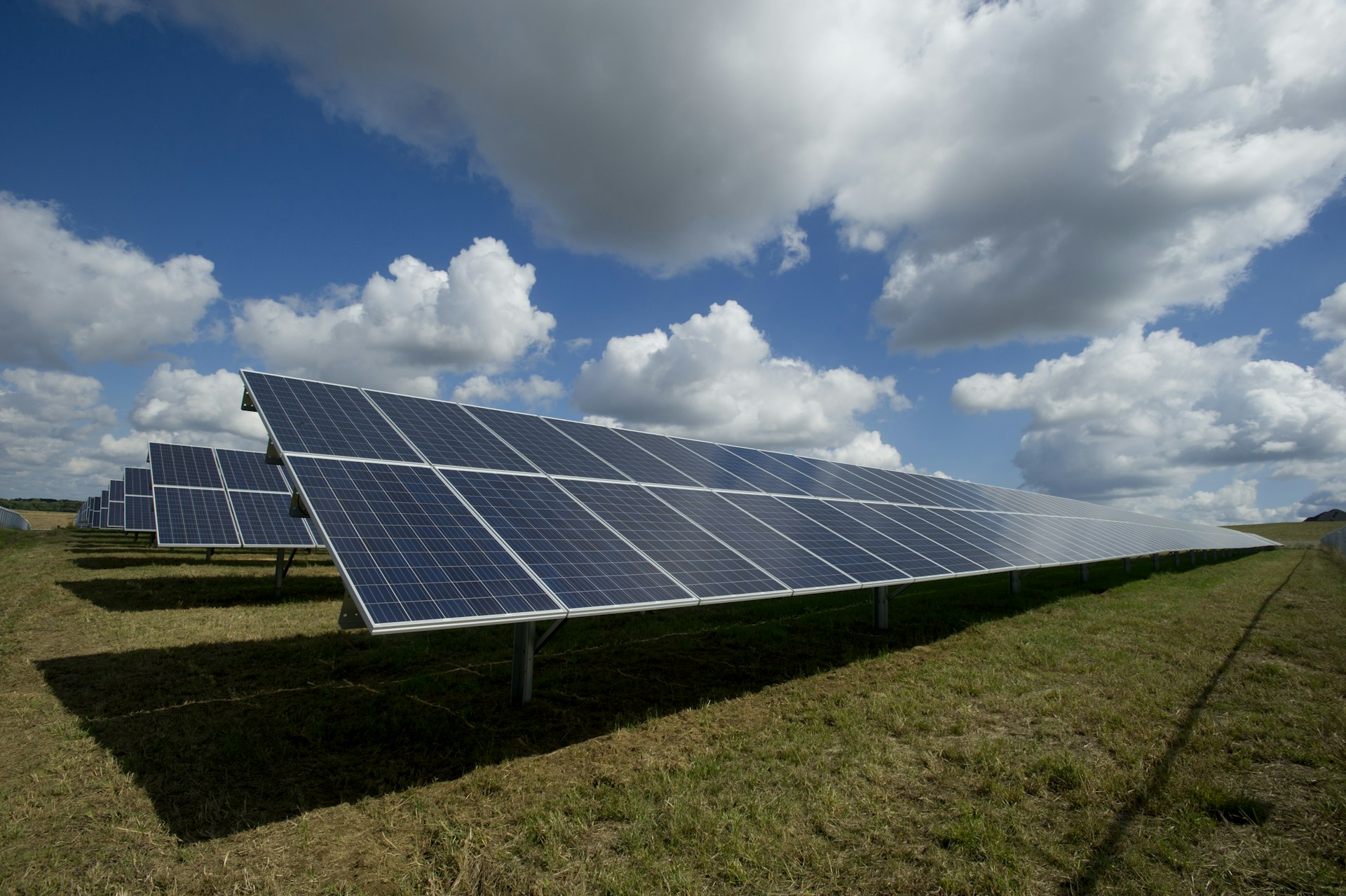
The planet is changing. Resources are shrinking. Spain, sitting between the Atlantic and the Mediterranean, receives more than 2,500 hours of sunshine a year and has become one of Europe's most important natural laboratories for climate protection. This report gathers the institutional vision for 2030 on the development of renewable energy and the future of agriculture.
Global warming
Global warming is no longer a distant hypothesis. Series from the National Centre for Climatology show that average temperatures on the peninsula have risen close to 1.7 °C since the pre-industrial era, above the global average. Heatwaves last longer, rainfall is more irregular, and reservoirs, especially in the south and along the Mediterranean coast, record historically low levels during summer.
Protection of the territory demands a calm response, grounded in science and in cooperation between public bodies. The 2030 Climate Strategy sets a 32% reduction in greenhouse gas emissions compared with 1990 and a per-capita carbon footprint below 4 tonnes of CO₂ equivalent. It is an ambitious goal, but reachable if we move forward together.
Spain's role in green energy
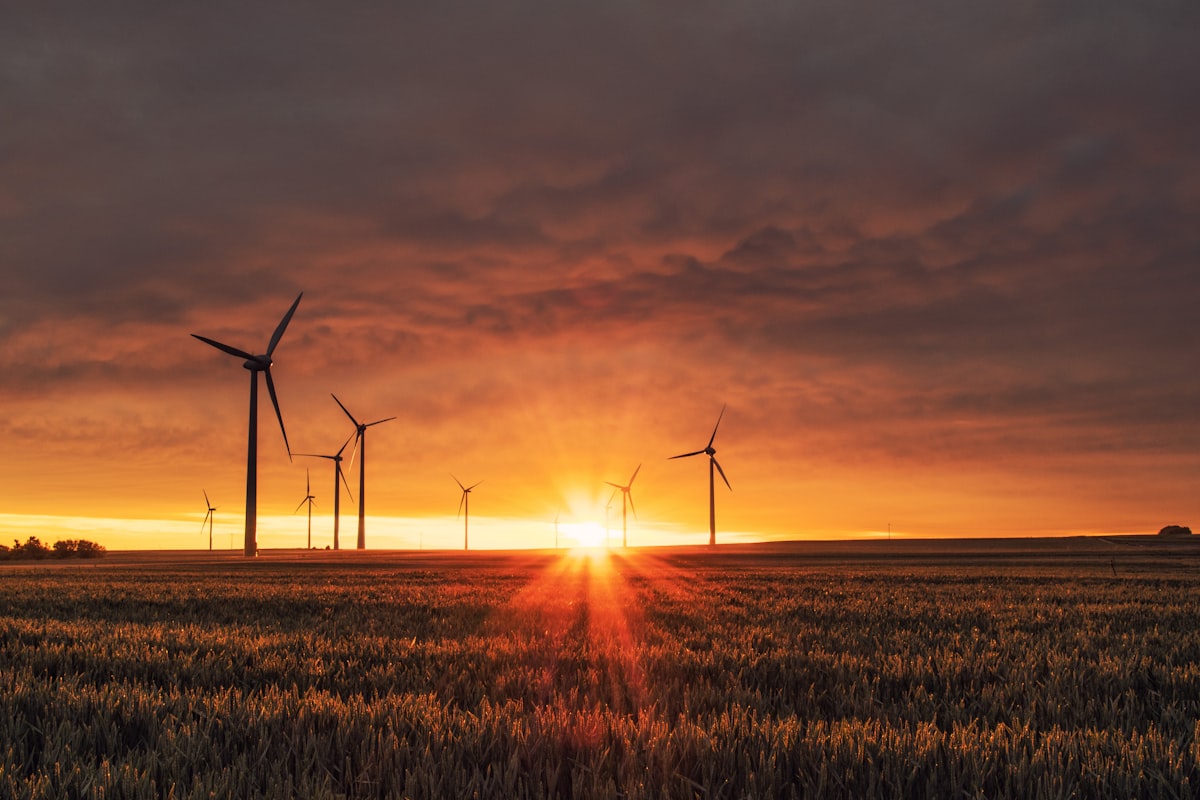
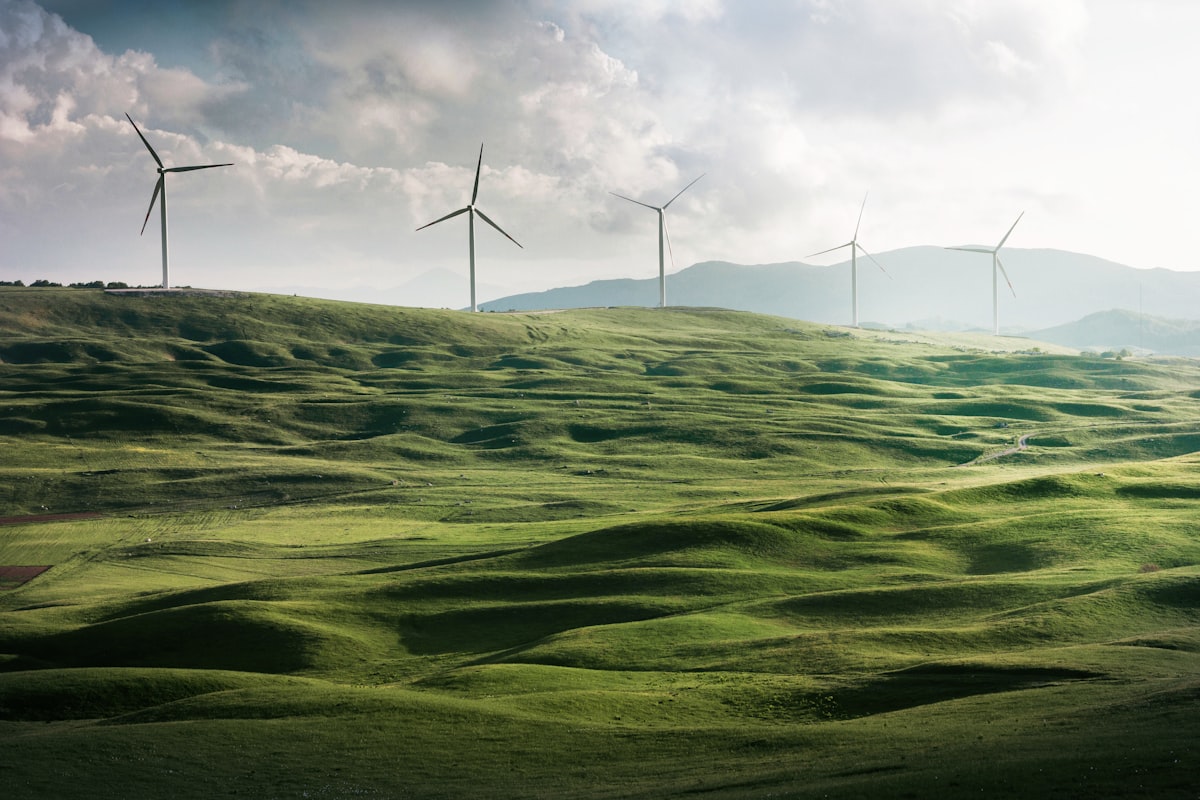
Spanish energy companies, together with public technology centres, have built a renewable map few countries can match. More than 50% of the electricity generated in 2025 already comes from clean sources: wind, photovoltaic, hydro and, increasingly, green hydrogen. Andalusia, Castilla-La Mancha and Aragón host most of the solar plants, while Galicia and Castilla y León lead the wind deployment.
By 2030, 74% of electricity generation is expected to come from renewable sources. The development of smart grids, long-duration battery storage and local energy communities will allow small villages to power themselves and share surpluses with their neighbours. These are not promises but roadmaps signed and audited by the European Commission.
The future of agriculture
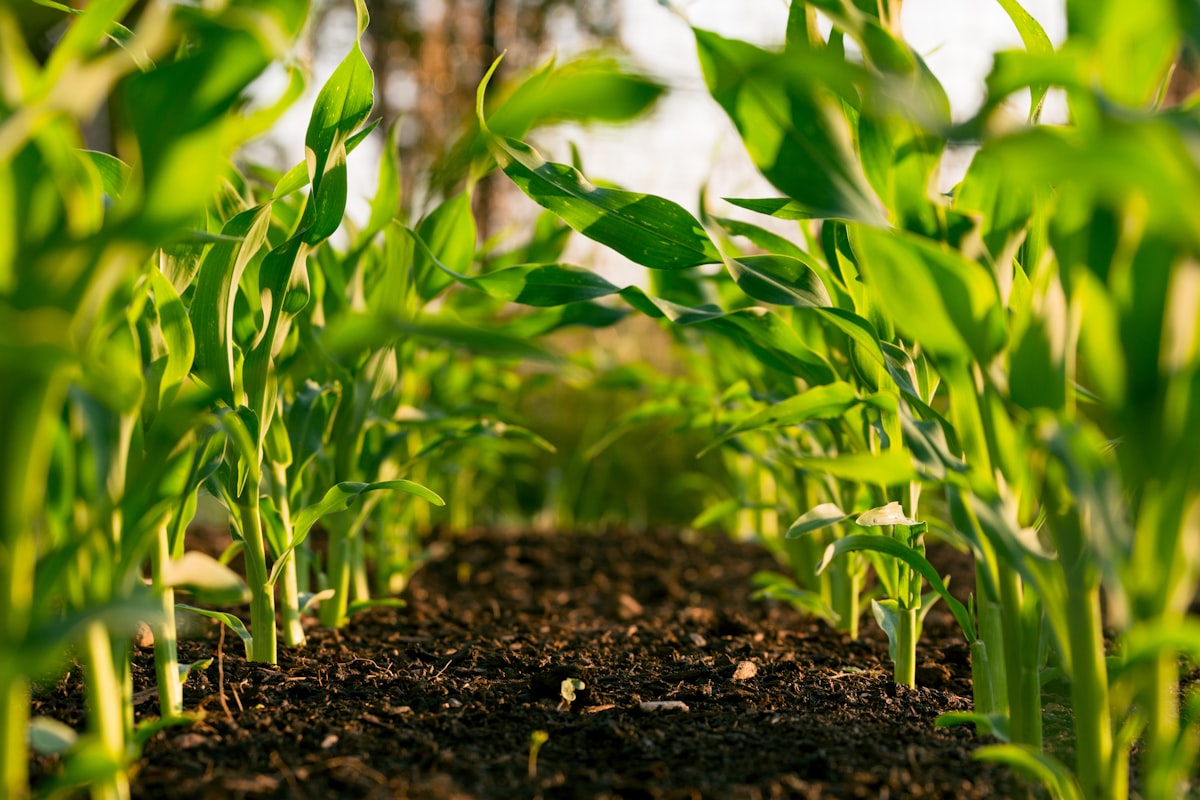
Agriculture is at once part of the problem and part of the solution. It uses around 80% of Spain's available water but also sustains landscapes, biodiversity and employment in rural Spain. So-called Agriculture 5.0 combines soil-moisture sensors, observation satellites, drip irrigation and crop rotation to cut water consumption by up to 35% without losing productivity.
Traditional olive groves, vineyards, fruit orchards and dehesa woodlands are being converted under agroecological principles. Soil protection, carbon capture in permanent plantations and responsible use of organic fertilisers form part of a new contract between those who farm the land and those of us who live in the cities. The future means listening to the people who know the countryside best.
The development of a green Spain does not depend on a single decision or a single actor. It depends on the patient sum of public policy, research, civic education and collective will. This newsletter aims to walk that path with verified information, clear language and respect for complexity.